

The Community Church: What Is It Really Supposed to Be?
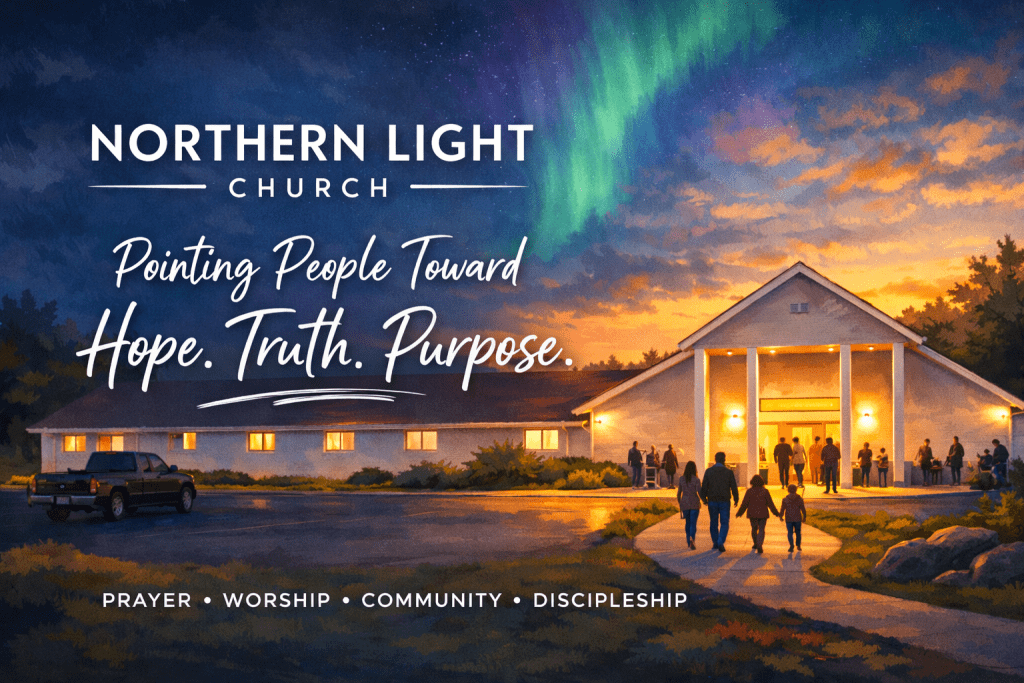
The phrase community church is used often, but it is rarely defined clearly. Ask ten people what a community church is, and you will likely receive ten different answers. Some imagine a church deeply involved in local events. Others picture a place known for charitable programs and assistance. Still others think of a friendly congregation that simply welcomes anyone who walks through the doors.
While those things may be good, they do not actually explain the biblical purpose of a church within a community. The church was never intended to function primarily as a social organization, a charity agency, or a civic partner. Those activities may occur along the way, but they are not the foundation of the church’s mission. When a church begins to define itself by programs, events, and community visibility, it risks losing sight of the purpose that God established for His people.
To understand the true role of the church in a community, we must look at what Scripture actually says.
The Church Exists to Represent God’s Presence
From the beginning, God has placed His people within communities as a visible reminder that He is present and active in the world. Jesus described this role in Matthew 5:14–16 when He said, “You are the light of the world. A city set on a hill cannot be hidden… In the same way, let your light shine before others, so that they may see your good works and give glory to your Father who is in heaven.”
The church is meant to be a spiritual light within its community. That light is not created through popularity or influence. It comes through faithfulness to God. When a church faithfully teaches Scripture, lives in obedience to Christ, and demonstrates genuine love toward others, it becomes a visible testimony that God is real and His truth matters. This presence is far more powerful than programs or public recognition. It is the quiet but steady reminder that God’s truth still stands.
The Church Exists as a House of Prayer
One of the clearest descriptions Jesus gave about the purpose of God’s people appears when He cleansed the temple. In Matthew 21:13 He said, “My house shall be called a house of prayer.”
Prayer is not a small part of the church’s life. It is central to it. When the church gathers to pray, it acknowledges that the ultimate authority and power belong to God. It recognizes that human effort alone cannot transform hearts, heal brokenness, or bring salvation. Prayer places the church in its proper posture: dependence on the Lord.
A church that prays consistently is fulfilling one of its most important responsibilities within a community. It becomes a place where people know they can turn when life becomes overwhelming, uncertain, or painful. The church cannot solve every problem people face, but it can bring those problems before the One who can.
The Church Exists to Proclaim the Gospel
The most important mission given to the church is found in the words of Jesus before His ascension. In Matthew 28:19–20 Jesus said, “Go therefore and make disciples of all nations, baptizing them in the name of the Father and of the Son and of the Holy Spirit, teaching them to observe all that I have commanded you.”
The mission of the church is to make disciples. This means teaching the Word of God clearly and faithfully. It means helping people understand who Jesus is, why His death and resurrection matter, and what it means to follow Him. The church is not called simply to create welcoming environments or positive experiences. It is called to proclaim truth.
The Gospel confronts sin, calls people to repentance, and offers forgiveness and eternal life through Jesus Christ. That message must remain at the center of the church’s life. Without the Gospel, the church loses its reason for existing.
The Church Exists to Guard the Truth
Scripture also describes the church as a guardian of truth. Paul wrote in 1 Timothy 3:15 that the church is “the pillar and buttress of the truth.”
A pillar supports something so it remains standing. A buttress strengthens and protects it. In the same way, the church has the responsibility to uphold and protect the truth of God’s Word. This means teaching Scripture accurately and resisting the temptation to reshape biblical truth in order to fit cultural trends or popular opinions.
Every generation faces pressure to compromise certain aspects of God’s Word. The church must resist that pressure. When the church abandons truth, it loses its ability to guide people toward life and salvation. A faithful community church becomes known as a place where Scripture is taken seriously and taught clearly.
The Church Exists to Care for People Spiritually
Acts 2:42 describes the life of the early church: “They devoted themselves to the apostles’ teaching and the fellowship, to the breaking of bread and the prayers.” The believers were committed not only to learning but also to caring for one another.
The church is a spiritual family. It provides encouragement, accountability, instruction, and support as believers grow in their faith. This spiritual care often becomes most visible during life’s most difficult moments—times of loss, uncertainty, failure, or suffering. During those seasons, people often realize how deeply they need the kind of community the church provides.
But the church’s care goes beyond emotional comfort. It points people toward Christ and encourages them to walk faithfully with Him. True care does not merely sympathize with someone’s struggles; it helps guide them toward truth, hope, and transformation.
The Church Exists to Call People Toward Holiness
A community church must never forget that following Christ involves transformation. Scripture consistently teaches that believers are called to live differently from the world around them. In Romans 12:2 Paul writes, “Do not be conformed to this world, but be transformed by the renewal of your mind.”
The church plays a crucial role in that transformation. Through teaching, discipleship, and fellowship, believers encourage one another to grow in holiness, resist sin, and pursue lives that reflect the character of Christ.
This aspect of the church’s role can sometimes be uncomfortable because it requires honesty about sin and the need for repentance. Yet it is an essential part of spiritual growth. A church that never speaks about sin may attract attention, but it will not lead people toward true freedom.
The Community Church Is a Spiritual Lighthouse
When the church fulfills its biblical purpose, something remarkable happens within the surrounding community.
The church becomes known as a place where God is taken seriously.
A place where prayer is real and where truth is spoken. A place where the Gospel is clearly proclaimed.
People may not attend regularly. They may not always agree with what is taught. Yet when life becomes uncertain, painful, or frightening, they often remember that there is a place where hope can be found.
The church becomes a lighthouse. Not because it is the center of attention, but because it faithfully points people toward the One who is. And that, ultimately, is the true purpose of the community church.
At Northern Light Church, we believe a church should be more than a place people visit once a week. It should be a place where the Word of God is taught clearly, where prayer is taken seriously, and where people are encouraged to grow in their relationship with Jesus Christ. Our desire is to be a church that faithfully proclaims the truth of Scripture, welcomes people from every background, and helps individuals and families take their next step in faith. If you are looking for a place to learn the Bible, grow spiritually, and be part of a community centered on Christ, we invite you to join us.
Discover more from Scott A Marshall
Subscribe to get the latest posts sent to your email.
